
How We Changed Dogs and the Hidden Health Cost of “Perfect” Breeds
- Feb 3
- 8 min read

If you have ever looked at your dog and thought, Why does my Dachshund look like a walking hotdog? or wondered
how your Bulldog can snore louder than a grown adult, you are not alone. Most of us laugh these things off as part of our dog’s charm. Their short legs, squished faces, oversized ears, or impossibly thick coats are often exactly what made us fall in love in the first place.
I hear versions of this all the time from dog owners. “He has always breathed like that.” “She has trouble jumping, but that’s just how the breed is.” “He hates the heat, but he looks so cute fluffy.” These traits feel normal because we see them everywhere. They are familiar. They are expected.
But after years of working hands on with dogs of every shape and size, it becomes clear that many of the features we consider adorable also come with real physical challenges for the dogs living inside those bodies. What we call “breed traits” are often the result of generations of breeding for appearance, not comfort or longevity. This is not about pointing fingers or taking the joy out of loving a certain breed. It is about understanding how we changed dogs over time, how those changes affect their health, and how we can make more informed choices moving forward.

Dogs Are One Species, Even When They Look Nothing Alike
One of the most surprising things many dog owners learn is that a Chihuahua and a Great Dane are the same species. Not distant relatives. Not separate categories. The same species, capable of producing offspring under the right conditions. In most animals, differences this extreme would clearly separate them into different groups. With dogs, it does not.
Dogs are unlike any other species in this way. Their range of size, structure, coat type, and facial shape is unmatched in the animal world, yet their genetic makeup remains remarkably similar. From dogs small enough to carry under one arm to those that outweigh their owners, they all trace back to the same lineage.
That variety did not happen by accident. Over generations, certain traits were chosen, repeated, and exaggerated. Shorter legs, flatter faces, thicker coats, longer backs. Small changes became defining features, and defining features became breeds. When you spend time handling dogs up close, those differences are impossible to miss. Bodies move differently. Coats behave differently. Some dogs are built for ease, others require constant management just to stay comfortable. Underneath it all, though, they are still the same animal. The diversity we see today is a reflection of how much influence we have had in shaping dogs, not how far apart they truly are.

How Our Relationship With Dogs Began
Long before dogs slept on couches or waited by the door for dinner, their ancestors were wolves living alongside early humans. The shift from wild animal to companion was not sudden, and it was not a single event. It unfolded slowly, over thousands of years, as two species learned how to coexist.
There are a few leading ideas about how this relationship began. One suggests that people intentionally took in young wolves, raising the calmest and most cooperative among them. Another points to wolves that lingered near human camps, feeding on scraps and gradually becoming more comfortable around people. In both cases, the wolves that tolerated human presence were more likely to survive, reproduce, and pass those traits on.
Over time, this created animals that were less fearful, more social, and better suited to living alongside us. These early dogs were not bred for looks. They were valued for what they could do. Guard camps, help with hunting, alert their humans to danger, and offer companionship in a harsh world. That early partnership laid the foundation for everything that followed. Dogs adapted to fit into human life, and in return, we shaped their future. What began as a practical relationship eventually became something much deeper, setting the stage for the many roles dogs would go on to fill.

When Dogs Were Bred for What They Could Do
Once dogs became part of daily human life, their value was tied to usefulness, not looks. Early breeding focused on traits that helped dogs survive and support the people they lived alongside. Strength, stamina, awareness, and cooperation mattered far more than coat color or facial shape.
Different environments and needs shaped different types of dogs. Some were better suited for herding livestock across long distances. Others excelled at guarding property or assisting with hunts. In colder regions, thicker coats and endurance were essential. In warmer climates, lighter builds and shorter coats helped dogs stay functional and comfortable.
Physical traits were still being selected, but they had a purpose. Body structure supported movement. Coat type served as protection. Temperament matched the job at hand. Dogs were built to work efficiently, often for long hours, without constant human intervention.
Even today, remnants of this practical breeding remain. You can often see it in how certain dogs move, focus, or respond to their surroundings. These traits were not designed to be cute or trendy. They were designed to work, and for a long time, that balance kept dogs both capable and resilient.

When Appearance Started to Matter More Than Function
At some point, dogs no longer needed to earn their place through work. As lifestyles changed, many dogs moved from fields, farms, and hunting grounds into homes and cities. Their roles shifted from working partners to companions, and with that shift came a new focus on how dogs looked.
Breeding goals began to center on specific physical traits. Shorter noses. Longer backs. Larger eyes. More dramatic coats. These features helped define breeds and set them apart from one another, but they were not always tied to comfort or durability. Instead, they appealed to human preferences and trends of the time.
Once appearance became the priority, breeding grew more narrow. Dogs that matched the desired look were bred repeatedly, while others were excluded, shrinking gene pools in the process. Over time, exaggerated traits became not just common, but expected. What once would have been considered extreme slowly became the standard.
This was the moment when many modern health problems began to take root. Dogs were no longer shaped primarily by what helped them function best, but by what fit an idealized image. The consequences of those choices are still being felt today, often dismissed as “just how the breed is,” even when those traits limit quality of life.

The Health Problems We Bred Into Modern Dogs
When breeding became focused on appearance, health often became an afterthought. Over time, narrowing gene pools and repeating the same physical traits created predictable problems, many of which are now considered “normal” for certain breeds.
Some dogs struggle to breathe because their airways were shortened. Others experience joint pain early in life due to body proportions that place constant stress on hips, knees, or spines. Thick, heavy coats can trap heat and moisture, leading to chronic skin issues. Large eyes and shallow sockets increase the risk of injury and infection. These are not rare or random issues. They are directly tied to how dogs have been shaped.
What makes this especially difficult is how familiar these problems feel. Snorting, overheating, stiffness, frequent ear infections, or limited mobility are often brushed off as quirks rather than warning signs. Because they show up again and again within the same breeds, they become part of the expectation.
Seen up close, these patterns are hard to ignore. Dogs compensate constantly. They adjust how they move, rest, and breathe to fit bodies that were never designed with long term comfort in mind. While many dogs live happy, loved lives, that does not mean their bodies are working as easily as they should. Understanding this connection between appearance and health is not meant to take joy away from loving a breed. It is meant to help us recognize that many of these challenges were shaped by design, not destiny.
When Popularity and Trends Made Things Worse
Once certain breeds became fashionable, demand grew faster than responsible breeding could keep up with. Dogs that were already being bred for specific looks suddenly became commodities, valued for how closely they matched an ideal rather than how healthy they were.
When popularity spikes, corners often get cut. Health testing is skipped. Breeding decisions are rushed. Dogs that should never be bred together are paired simply because they fit a look that sells. Over time, this accelerates the same issues already present, locking harmful traits deeper into bloodlines.
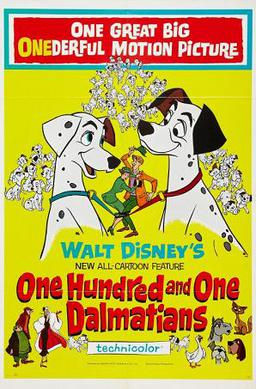
Media and pop culture have played a role as well. Movies, social trends, and viral images can turn a breed into a must have almost overnight. The result is often a surge of poorly bred puppies, followed by overwhelmed owners who were unprepared for the physical, behavioral, or medical challenges that come with those dogs.
The saddest part is that dogs pay the price long after the trend fades. Health problems do not disappear when demand drops. Shelters often see the aftermath, as families realize that the reality of caring for these dogs is very different from the image that drew them in.
A Shift Toward Health and Responsibility
The conversation around dog breeding is changing. More owners, veterinarians, and breeders are beginning to question whether preserving a specific look should come at the expense of a dog’s comfort and longevity. That awareness matters, because change starts with what we are willing to prioritize.
Health testing, wider gene pools, and breeding decisions based on structure and function are becoming more common in responsible programs. Some breeders are actively working to reduce exaggerated traits, focusing instead on breathing ability, sound movement, and overall resilience. These efforts may not produce dogs that look extreme or trendy, but they often produce dogs that live easier, healthier lives.
There is also growing recognition that a dog does not need to be perfectly “on standard” to be a good representative of a breed. Small changes, like slightly longer muzzles or more balanced proportions, can make a significant difference in daily comfort without losing the essence of the dog itself. Progress is not fast, and it is not uniform across all breeds. But the shift toward valuing health over aesthetics is real, and it offers a path forward that honors the bond we share with dogs rather than the image we project onto them.
A Deeper Look at How Dogs Got Here
This article was inspired by a thoughtful video from Animalogic that explores the history of dog domestication and selective breeding in greater depth. It offers a broader scientific and historical perspective on how dogs became the most physically diverse species on the planet, and how human preferences shaped that journey over time.
If you enjoy learning about where modern dog breeds came from and want to see the bigger picture beyond everyday life with dogs, the video is well worth watching. It pairs well with the real world realities many of us see as dog owners and professionals, adding important context to the conversation around health, breeding, and responsibility.
Loving Dogs Beyond the Look
Dogs have adapted to life with us for thousands of years. They have changed to fit our homes, our work, and our expectations, often without question. The least we can do in return is make choices that support their comfort, health, and longevity.
Appreciating a breed does not mean ignoring its challenges. It means understanding where those traits came from and being honest about how they affect the dogs who live with them. When we value sound bodies, ease of movement, and quality of life as much as we value appearance, we create a better future for dogs as a whole.
This is not about regret or blame. It is about awareness and care. Every informed decision, every thoughtful conversation, and every effort to put health first helps shift the direction forward.
If this article resonated with you, I encourage you to share it, talk about it with other dog owners, and continue learning about the dogs who trust us with their lives. They deserve nothing less.


Comments